Column · @thesnackshelf
How to Pick a Smarter Sweet Snack Without Sacrificing Flavor
What makes a sweet snack a smarter choice?
When a dessert craving hits, the easiest reach is often something loaded with sugar and little else. But a smarter sweet snack does more than satisfy that moment. It offers something closer to a balanced eating experience. The best options combine lower sugar content with ingredients that bring texture, fiber, and a feeling of fullness. They let you enjoy something sweet without the crash that follows a spike in blood sugar. The qualities that matter most include portion size, fiber content, calorie density, and texture. When you pay attention to these, you can make a snack substitution that works for your long-term habits, not just your immediate craving.
Portion size and its role in habit formation
Portion size is one of the first things to consider when you look for better sweet snacks. A single serving should feel satisfying without requiring willpower to stop. Many traditional sweets come in packages that encourage eating far past what feels good. A smarter option comes in a portion that matches a reasonable treat. Over time, choosing snacks with controlled portion size helps build better habit formation. You train your palate to enjoy smaller amounts of sweetness, which makes it easier to avoid overeating later. This is not about deprivation. It is about finding snacks that let you enjoy the moment and move on without thinking about a second serving.
Why fiber content matters for balanced eating
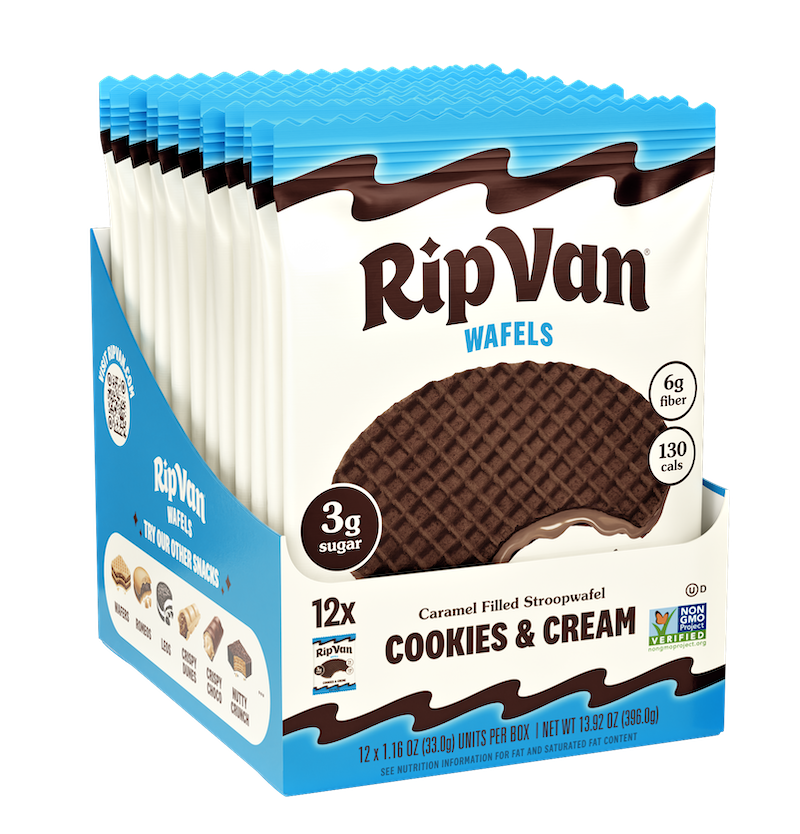
Fiber content often separates a throwaway snack from one that supports balanced eating. Fiber slows down the absorption of sugar, which means your energy levels stay more stable after you eat. It also adds bulk, which helps you feel full sooner. Many sweet snacks offer little to no fiber, leaving you hungry again quickly. A smarter choice includes added fiber from ingredients like oats, chicory root, or whole grains. This does not change the taste much, but it changes how your body processes the snack. If you are trying to improve your daily eating pattern, swapping a low-fiber treat for one with a decent fiber count is a simple step that pays off over time.
Calorie density and the trap of empty calories
Calorie density is another key factor. A snack with high calorie density packs a lot of energy into a small volume, often with little nutrition. Many candies and pastries fall into this category. A smarter sweet snack offers lower calorie density per bite, which allows you to eat a reasonable portion without consuming too many calories. This does not mean you have to count every calorie. It means you look for snacks that give you more volume or more nutrition for the same calorie budget. Snacks that combine a crisp wafer with a chewy filling often achieve a better balance. They provide a satisfying texture without the heavy calorie load of a dense brownie or a candy bar.
Texture as a hidden driver of satisfaction
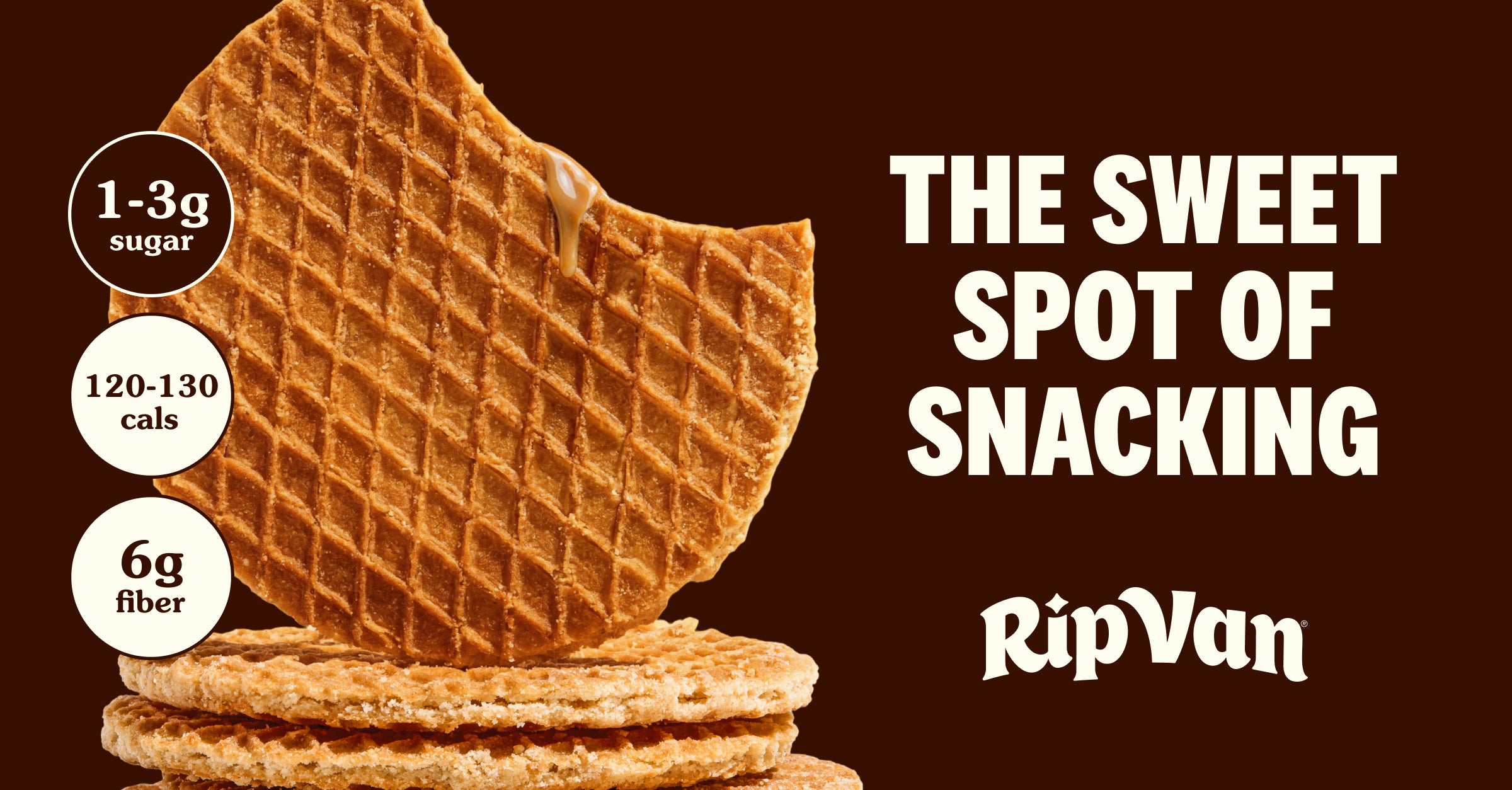
Texture plays a bigger role in snack satisfaction than most people realize. A snack that is only soft or only crunchy can feel monotonous. The contrast between a crisp exterior and a chewy center creates a more engaging eating experience. This is where crisp and chewy snack options come into their own. They offer two sensations in one bite, which makes the snack feel more substantial and more enjoyable. When you are looking for a smart sweet snack, pay attention to how it feels in your mouth. A snack that delivers texture variety often satisfies your craving with a smaller portion. That is a win for both enjoyment and balanced eating.
How to make a snack substitution that sticks
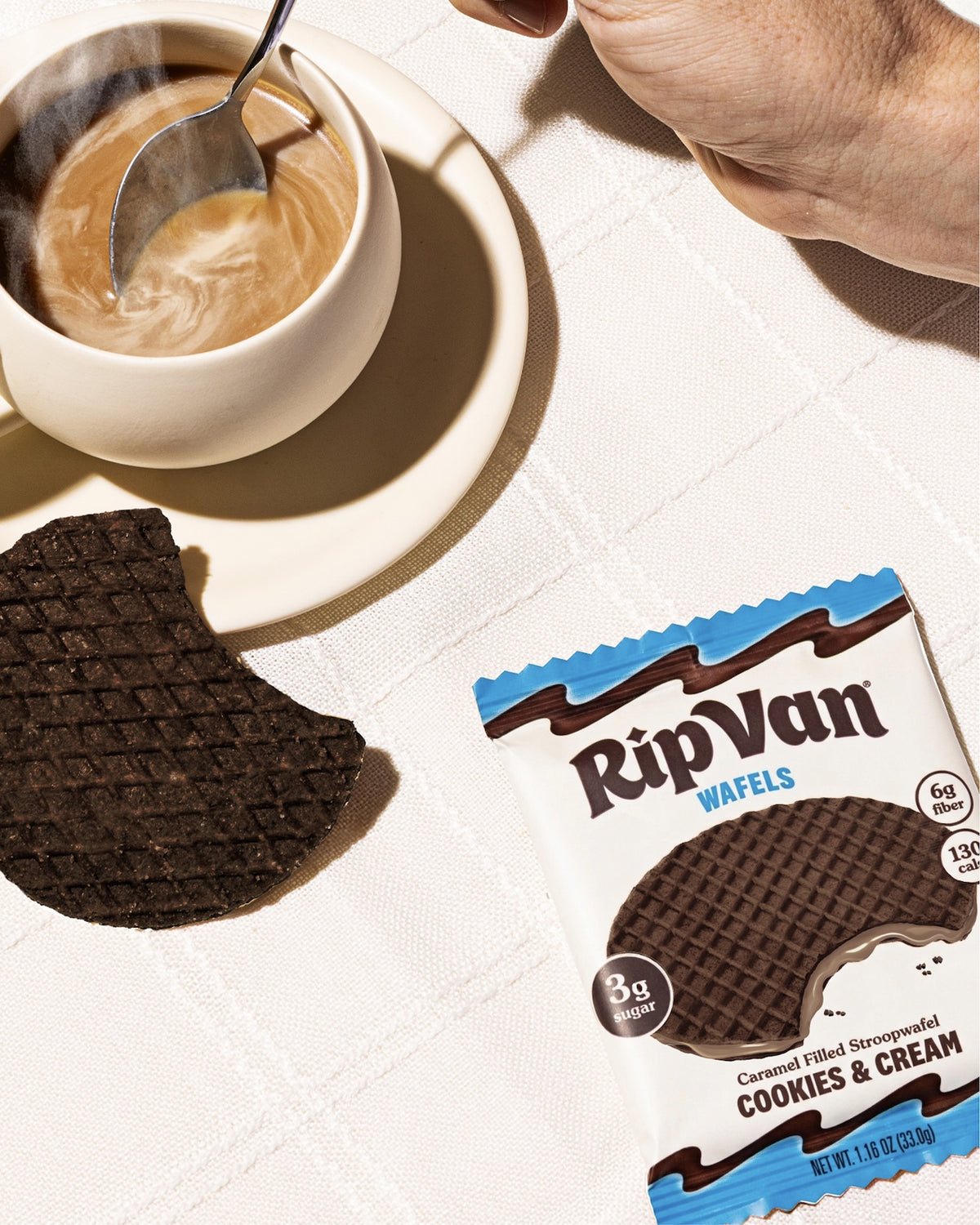
Swapping out a regular sweet snack for a smarter one works best when the replacement feels like a treat, not a compromise. If the substitute tastes bland or has an odd texture, you will likely go back to the old choice. The goal is to find a snack that hits the same sweet note but adds something extra. That extra could be fiber, a better portion size, or a more interesting texture. For example, if you usually reach for a cookie, try a filled wafer snack that has a similar sweetness but offers a chewy center and a crisp outer layer. This kind of snack substitution keeps your dessert cravings in check without making you feel like you are missing out. Over time, these small swaps build into a pattern of smarter choices.
Practical tips for choosing better sweet snacks
- Check the fiber content on the label. Aim for at least three grams per serving.
- Look at the portion size. A single serving should be something you can enjoy without feeling the need to eat more.
- Consider the texture. A mix of crisp and chewy often leads to higher satisfaction with less sugar.
- Watch for added sugars that appear early in the ingredient list. Lower sugar content is a clear sign of a smarter choice.
- Think about how the snack fits into your overall eating pattern. A treat that supports balanced eating is one you can enjoy regularly without guilt.
The role of habit formation in long-term success
Choosing a smarter sweet snack once is easy. Doing it consistently requires some attention to habit formation. When you replace a high-sugar snack with a lower-sugar alternative that still tastes good, you start to rewire your preferences. Your palate adjusts to less sweetness over time, and the old snacks begin to taste too sugary. This process does not happen overnight, but it is reliable. The key is to have your smarter options on hand. When a craving hits, you reach for the snack that fits your goals. That is why many people keep a stash of crisp and chewy snack options in their pantry. They know that having the right choice available makes it easier to stay on track.
Putting it all together
The qualities that matter most when choosing a smarter sweet treat come down to a few practical factors. Portion size keeps you from overeating. Fiber content helps with fullness and stable energy. Calorie density ensures you get more satisfaction per bite. And texture adds an extra layer of enjoyment that makes the snack feel like a real treat. When you combine these factors, you end up with a snack that supports balanced eating and habit formation. You do not have to give up sweetness. You just have to choose a version that works with your body instead of against it. The next time a dessert craving strikes, look for a snack that checks these boxes. It will satisfy your sweet tooth and leave you feeling better than a sugar-heavy alternative would.